

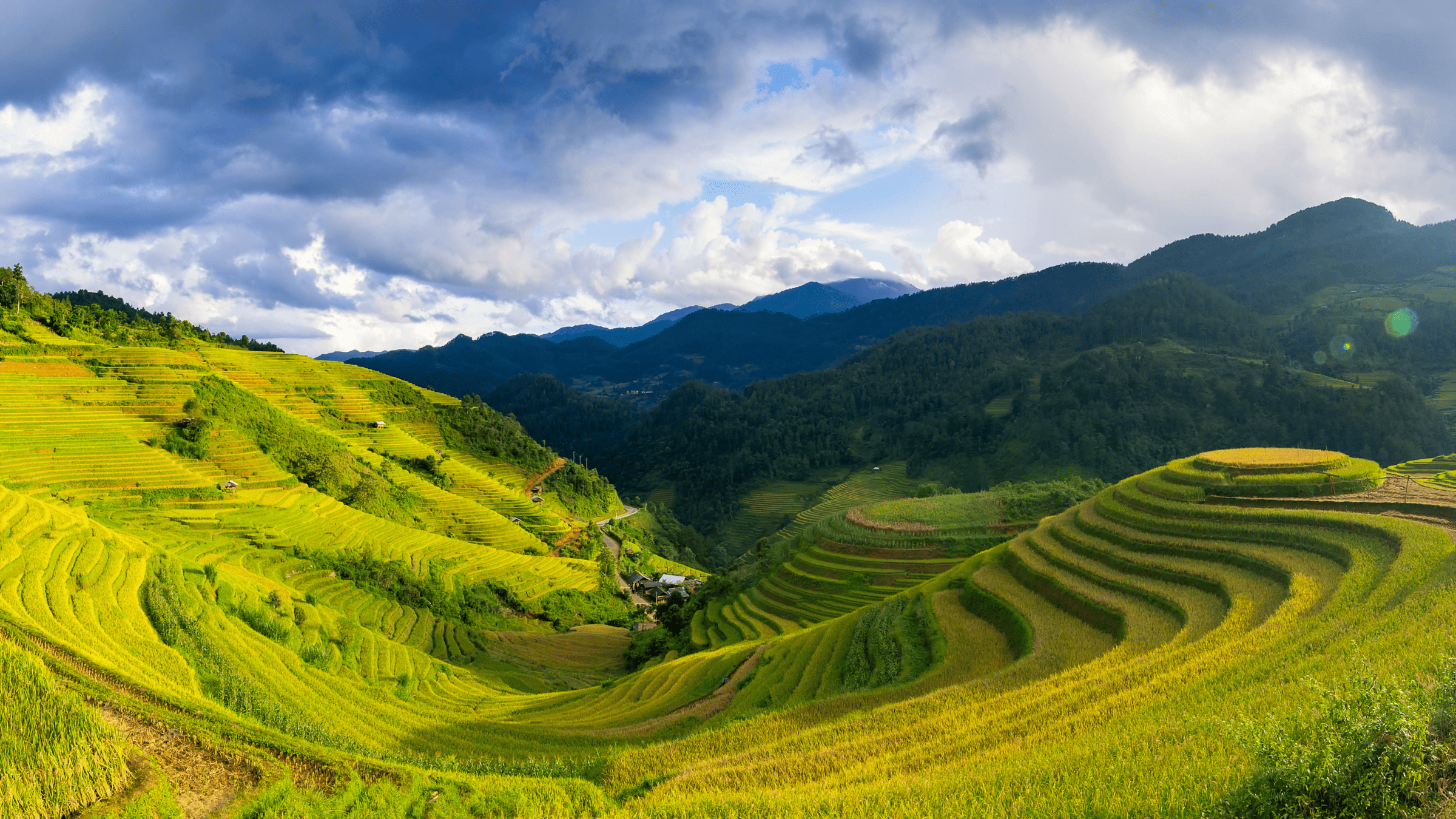

Sapa is one of Vietnam’s most breathtaking mountain destinations, attracting travelers with its spectacular rice terraces, dramatic mountain landscapes, vibrant ethnic culture, and unforgettable trekking routes. Choosing where to stay in Sapa can have a huge impact on your overall experience.
In this guide, Prime Travel will help you decide where to stay in Sapa by comparing the area’s most popular neighborhoods, explaining who each location is best suited for, and recommending hotels and homestays for every budget. If you’re planning a first trip to Sapa, this guide might help you find a suitable place to stay and make the most of your time in this beautiful mountain town.
How many days should you stay in Sapa?
For most first-time visitors, 2 to 3 days in Sapa is a good starting point. This gives you enough time to explore the town, visit nearby villages, enjoy the rice terraces, and experience some of Sapa’s most popular attractions without rushing. It also leaves room to slow down and enjoy the mountain atmosphere, which is a big part of the appeal of a visit to Sapa.
If you only have 2 days, focus on the highlights. Spend your first day exploring Sapa Town, visiting Cat Cat Village, and taking in views of the Muong Hoa Valley. On your second day, take the cable car to Fansipan Peak or join a short trek through the surrounding villages. This option works well for travelers combining Sapa with other destinations in Northern Vietnam.
With 3 to 4 days, you can experience Sapa at a more relaxed pace. You’ll have time to explore Ta Van and Lao Chai, spend a night in a local homestay, trek through rice terraces, and enjoy the scenery without constantly watching the clock. This is often the better choice for travelers who want a deeper cultural experience rather than simply checking attractions off a list.
If you enjoy trekking, photography, or slow travel, consider staying 4 to 5 days. Extra time allows you to explore less-visited trails, spend more time with local communities, and enjoy the changing mountain scenery. It also gives you some flexibility if fog, rain, or other mountain weather affects your plans.
Your ideal length of stay should also influence where to stay in Sapa. A short trip is usually easier from Sapa Town, while longer stays can benefit from spending a night or two in villages such as Ta Van or Lao Chai. If your schedule allows, staying longer is ideal because Sapa is best experienced slowly rather than rushed into a packed itinerary.
Best time to visit Sapa
The best time to visit Sapa depends on what you want to see and experience. The town has a cool mountain climate, but the scenery changes dramatically throughout the year. For many travelers, September to October is the most rewarding period, when the famous rice terraces turn golden during the harvest season. The weather is also generally comfortable for trekking and exploring the surrounding villages.
March to May is another excellent time to visit Sapa. Spring brings mild temperatures, clearer weather, and colorful flowers across the mountains. The rice terraces begin filling with water as local farmers prepare their fields, creating beautiful reflections across the valleys. This is a particularly good season for trekking, photography, and exploring villages nearby.
From June to August, Sapa becomes greener and more lush. The rice terraces are covered in vibrant green crops, creating a completely different landscape from the golden harvest season. However, summer also brings more rainfall, which can make trekking trails muddy and visibility less predictable. If you don’t mind occasional rain, this season can be ideal for travelers who prefer greener scenery and fewer crowds.
November to February brings cooler weather, with December and January being the coldest months. Sapa can become misty and cloudy, and temperatures may drop significantly at night. While mountain views are less predictable, the fog creates a mysterious atmosphere, and winter can be a great time for travelers who enjoy cozy cafés and a quieter experience.
The season you choose can also affect where to stay in Sapa. During the rice harvest, accommodation with valley views in Ta Van or Lao Chai can offer spectacular scenery right outside your window. During wetter months, staying in Sapa Town may be more convenient because you’ll have easier access to restaurants, cafés, transportation, and other activities.
If you want the most iconic rice terrace scenery, plan your trip around September and October. For pleasant trekking weather, consider spring or early autumn. Regardless of when you visit Sapa, checking the weather forecast before booking activities will help you plan a more enjoyable mountain getaway. Check out our blog to get more information about the Sapa Rice Fields Season.
If you don’t want to plan the whole trip by yourself, you can let our local travel experts help you create a personalized Sapa itinerary based on your travel dates, interests, and preferred pace. We are local travel experts in Vietnam, having over 10 years of experience serving international travelers coming to Vietnam. We can take care of the details so you can simply enjoy your time in Sapa. You can also check out our Sapa Guide Blog to get to know more details about Sapa.
Types of accommodation in Sapa
Sapa offers a wide range of accommodation, from modern hotels in the town center to peaceful homestays surrounded by rice terraces. Choosing the right type depends on your budget, travel style, and how much time you want to spend exploring beyond the town. Understanding the differences will make it easier to decide where to stay in Sapa.
Hotels are the most convenient option for first-time visitors. Most are concentrated around Sapa Town, giving you easy access to restaurants, cafés, markets, transportation, and attractions. Options range from simple budget hotels to stylish boutique properties and luxury hotels with mountain views. If convenience is your priority, a hotel in the town center is usually the easiest choice, though not a bad one.
Resorts and luxury hotels are ideal for travelers looking for comfort, privacy, and spectacular scenery. Many properties are built on the hillsides overlooking the Muong Hoa Valley, with balconies, heated pools, spas, and panoramic views. They are particularly appealing to couples and travelers who want to combine sightseeing with relaxation.
Homestays offer a more authentic way to experience Sapa’s mountain communities. You’ll find many family-run stays in villages such as Ta Van and Lao Chai, often surrounded by rice terraces and forests. Depending on the property, you may have a private room or a simple shared space, along with opportunities to enjoy homemade meals and interact with local hosts.
Hostels and budget stays are another good choice for solo travelers and backpackers. These properties typically offer affordable dorm beds or simple private rooms, often with shared facilities and common areas. They are also a great way to meet other travelers, especially if you’re planning trekking or other outdoor activities.
For a memorable visit to Sapa, don’t automatically choose accommodation based only on price. A cheaper room with a beautiful valley location can sometimes offer a more rewarding experience than a higher-priced hotel in a busy area. Travelers should think about what matters most to them before making their decision.