
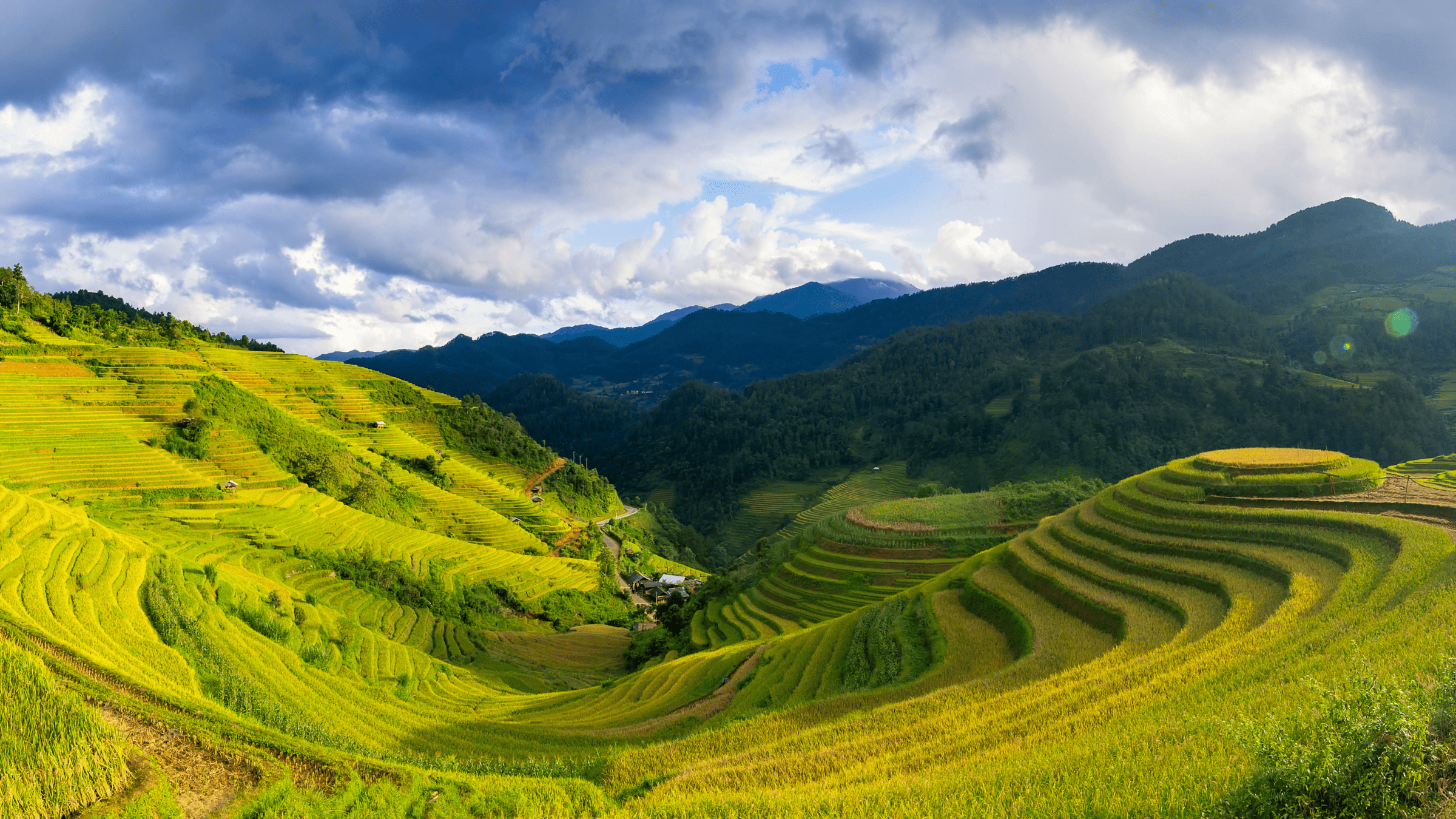

Vietnam is famous for destinations like Halong Bay, Hoi An, and Sapa, but what if you’ve already seen them all, or simply want something different? Beyond the well-known attractions lies another side of the country, where untouched coastlines, peaceful mountain valleys, and authentic local communities offer unforgettable experiences away from the crowds.
The challenge is that many travelers struggle to find unique places to visit in Vietnam. Most online guides recommend the same destinations, making it difficult to discover places that still feel authentic and less touristy. Therefore, in this guide, Prime Travel will cover 10 unique places to visit in Vietnam where you can discover quiet moments for yourself.
What Makes a Vietnam Destination Truly Unique
When people think of Vietnam, famous destinations like Halong Bay, Hoi An, and Ho Chi Minh City usually come to mind first. While these places are undoubtedly worth visiting, they only reveal part of the country’s incredible diversity.
In this guide, unique places to visit in Vietnam are destinations that offer something beyond the typical tourist experience. They may feature untouched natural landscapes, rich local traditions, distinctive cultural heritage, or opportunities to connect with communities in a more authentic way.
Being unique doesn’t necessarily mean being completely unknown. Instead, it means experiencing Vietnam from a different perspective. The hidden gems in Vietnam in this guide may provide memorable experiences while allowing you to explore at a slower pace and appreciate the country’s natural beauty and local culture.
Choosing to go beyond the famous attractions can completely change your trip. Instead of spending your time in crowded attractions, you’ll enjoy quieter landscapes, meaningful interactions with local people, and experiences that feel more personal. You’ll often have more flexibility, better opportunities for photography, and the chance to discover traditions that many visitors often miss.
Unique Places to Visit in Vietnam – Our Top Picks
Cao Bang
Nestled in Vietnam’s far northeast near the Chinese border, this mountainous province remains one of the country’s best-kept secrets. Instead of busy tourist streets, you’ll find towering limestone peaks, emerald rivers, dramatic waterfalls, and traditional villages where local life moves at a peaceful pace.
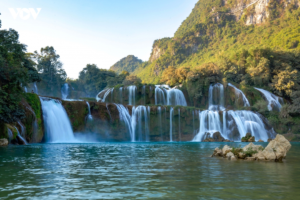
The province is best known for Ban Gioc Waterfall, the largest natural waterfall in Vietnam and one of the most spectacular in Southeast Asia. Surrounded by lush forests and karst mountains, Ban Gioc offers breathtaking scenery that feels different from Vietnam’s more crowded attractions.
Another highlight is Nguom Ngao Cave, an impressive limestone cave filled with enormous stalactites and unique rock formations. For those who love nature, the Truc Lam Ban Gioc Pagoda provides panoramic views over the waterfall and surrounding countryside.
Beyond its famous landmarks, Cao Bang offers authentic cultural experiences that make it one of the most memorable hidden gems in Vietnam. Visitors can explore quiet mountain roads, visit ethnic Tay and Nung villages, enjoy traditional homestays, and sample local specialties such as roasted duck noodle soup, sticky rice, and handmade rice noodles.
The best time to visit is from March to May. The weather is pleasant and cool, perfect for sightseeing and trekking. November to February is also a good time to visit, but note that North Vietnam can get quite cold during the winter months, so pack your clothes accordingly,
Pu Luong
Although Pu Luong Nature Reserve is often mentioned as a peaceful alternative to Sapa, it deserves to be on any itinerary because of its own beauty. Located in Thanh Hoa Province, this hidden valley is famous for its terraced rice fields, traditional stilt houses, bamboo water wheels, and forest-covered mountains.
Unlike more popular destinations, Pu Luong remains quiet for most of the year, making it an excellent choice for travelers seeking relaxation and authentic local experiences. One of the biggest highlights of Pu Luong is simply immersing yourself in nature and taking a walk around to enjoy the scenery.
Visitors can trek through Don Village, which is filled with golden terraced rice fields, and walk alongside emerald rice terraces. If you want to get to know more about the culture, pay a visit to an ethnic Thai village to experience local customs and to see what their life is like. Moreover, you can come to Ban Cong and Chieng Lau to watch the famous bamboo water wheels scattered along gentle streams, which offer some of the best photo opportunities.
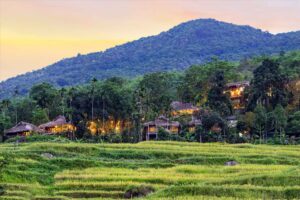
Many travelers also stay in eco-lodges or family-run homestays, where they can enjoy panoramic mountain views and home-cooked meals with regional specialties. Another activity you can take part in Pu Luong is hiking. Hiking trails range from easy village walks to more challenging mountain routes, while cycling is another fantastic way to explore the countryside.
The best time to visit is during the two rice seasons. From late May to early June, the terraces are bright green before harvest, while September to October brings stunning golden rice fields that attract photographers from around the world. The cooler months from November to April are also pleasant for trekking, with fresh mountain air and comfortable temperatures.
If you’re planning a visit to Pu Luong, you can contact us to learn more details about this destination, or you can check out our blog for Top things to do in Pu Luong.
Con Dao
If pristine beaches, crystal-clear waters, and untouched nature are what you’re looking for, Con Dao deserves a visit during your trip to Vietnam. Once known mainly for its historical prison complex, the island has transformed into one of the most unique places to visit in Vietnam. It offers a rare combination of fascinating history, marine biodiversity, and peaceful island life that few destinations in Southeast Asia can match.
Con Dao is home to some of the most beautiful beaches in Vietnam, many of which remain remarkably uncrowded. Visitors can relax on the soft white sands of Dam Trau Beach, swim in turquoise waters, or simply enjoy the tranquility of the island’s protected coastline. Nature lovers will also appreciate Con Dao National Park, which covers most of the archipelago and protects coral reefs, tropical forests, and diverse wildlife.
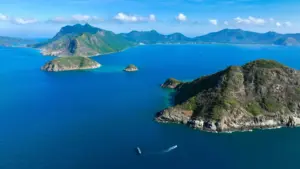
During the nesting season, visitors can even join guided tours to witness endangered sea turtles laying eggs, making it one of the few places in Vietnam where this unforgettable experience is possible. The Con Dao Prison and Phu Hai Prison are also worth paying a visit if you love to learn about the island’s history.
The best time to visit is from March to September, when the western beaches enjoy calm seas and sunny weather. The period from May to October is also sea turtle nesting season, making it especially popular among wildlife enthusiasts.
Con Dao can be reached by direct flights from Ho Chi Minh City, Hanoi, and several other major cities, or by high-speed ferry from Vung Tau or Soc Trang. While it requires a little more planning than other destinations, the reward is one of the most peaceful hidden gems in Vietnam.
Mang Den
Nestled in the Central Highlands of Kon Tum Province, Mang Den is one of the most underrated hidden gems in Vietnam. This peaceful mountain town offers cool weather, pine forests, waterfalls, and quiet lakes without the crowds. If you’re looking for a slower pace of travel surrounded by nature, Mang Den is easily one of the most unique places to visit in Vietnam.
What makes Mang Den special is its untouched atmosphere. Instead of busy tourist attractions, you’ll find winding forest roads, charming cafés overlooking pine-covered hills, and peaceful villages inhabited by local ethnic communities. Popular attractions include Pa Sy Waterfall, one of the region’s most scenic waterfalls, Dak Ke Lake, where visitors can enjoy relaxing walks or pedal boats, and Our Lady of Mang Den, an important pilgrimage site surrounded by tranquil gardens.
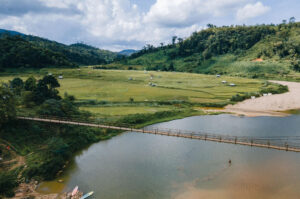
Mang Den is also an excellent destination for travelers who love outdoor activities. You can hike through pine forests, cycle along quiet mountain roads, visit local coffee farms, or explore nearby ethnic villages to learn about the culture of the Bahnar and other indigenous communities. The region is also becoming known for its locally grown coffee, organic farms, and farm-to-table restaurants, offering a refreshing alternative to Vietnam’s more commercial tourist destinations.
The best time to visit is from November to April, when the weather is dry, cool, and comfortable for sightseeing and outdoor adventures. From October to December, wild sunflowers bloom across the hillsides, while spring brings colorful blossoms that add even more charm to the landscape.
Mang Den is located about 60 km from Kon Tum City and around 100 km from Pleiku Airport, making it easily accessible by car or shuttle bus. Many travelers combine it with nearby destinations in the Central Highlands for a longer road trip.
Phu Quy Island
For travelers dreaming of turquoise waters without the crowds of Phu Quoc, Phu Quy Island is one of the most unique places to visit in Vietnam. Located about 120 km off the coast of Binh Thuan Province, this small volcanic island remains relatively untouched by mass tourism. With crystal-clear beaches, dramatic coastal cliffs, and a laid-back fishing community, Phu Quy offers an authentic island escape that feels refreshingly different from Vietnam’s more famous beach destinations.
One of the island’s biggest attractions is its stunning coastline. Visitors can relax on peaceful beaches, snorkel in clear waters, or rent a motorbike to explore scenic roads that circle the island. Popular stops include Ganh Hang (Hang Cliff), known for its natural rock pools and sea cliffs, Trieu Duong Bay, famous for its white sand and calm water, and Cao Cat Peak, where panoramic views stretch across the island and the East Sea.
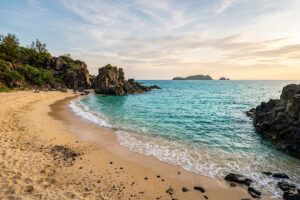
Phu Quy is perfect for travelers who enjoy slow travel and outdoor adventures. Fresh seafood is available almost everywhere, from family-run restaurants to the local night market, while island hopping by boat allows visitors to discover smaller surrounding islets and colorful coral reefs.
The best time to visit is from December to June. This is the dry season in Phu Quy Island, so the sea is generally calm, and the weather is sunny. These months provide ideal conditions for snorkeling, swimming, and boat excursions.
To reach Phu Quy, travelers first make their way to Phan Thiet, about 3 to 4 hours from Ho Chi Minh City by shuttle bus or limousine. From there, a high-speed ferry takes approximately 2 to 2.5 hours to the island. Although getting here requires a little extra effort, it is one of the most rewarding places if you love pristine islands.